Why Open World Games are Revolutionizing Farm Simulation Experiences
If you've ever dreamed of tending to lush green fields, raising adorable animals, and cultivating your very own farming paradise, now's the time to get excited! Open world games are turning traditional farm simulation experiences on their head, bringing vast, interactive environments and engaging gameplay mechanics that are reshaping how we think about farming in the digital realm. Below, we’ll explore how these immersive worlds are revolutionizing the genre.
The Allure of Open World Games
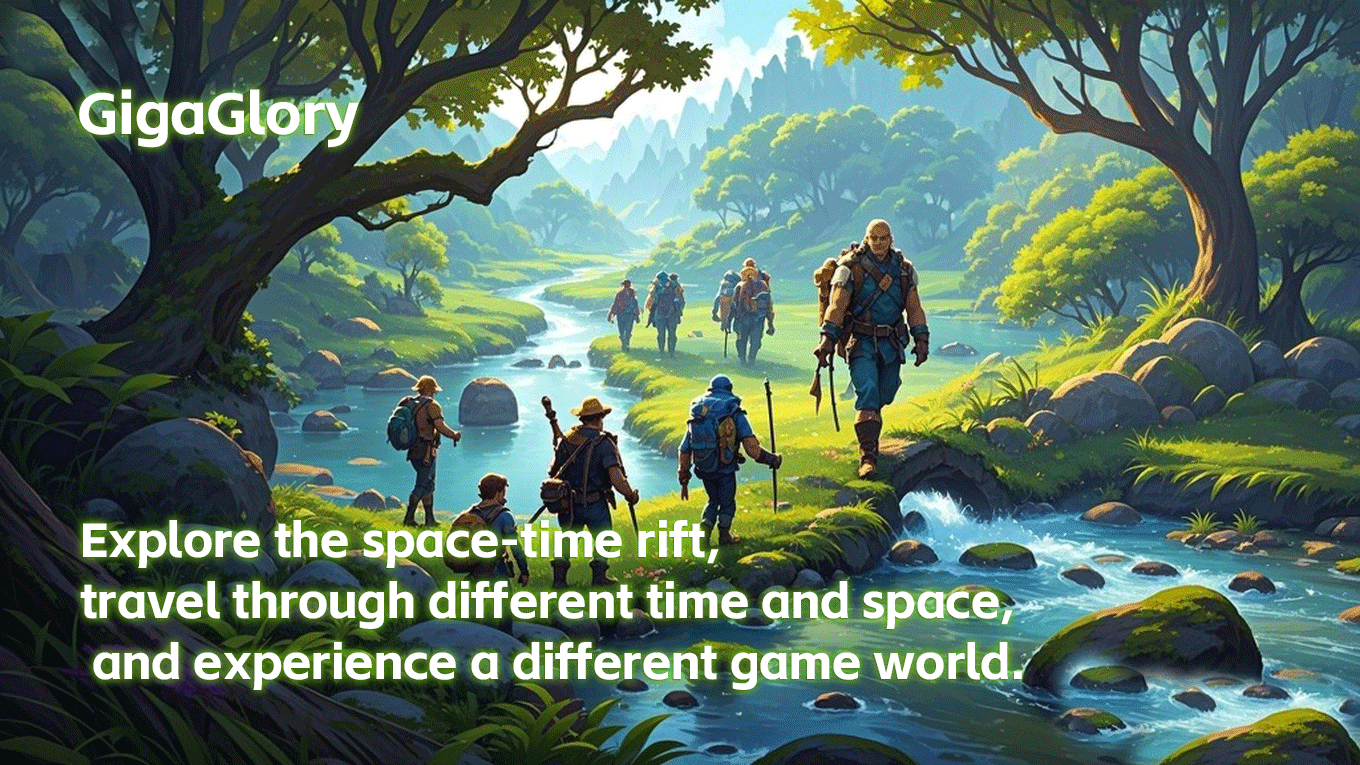
Open world games are known for providing players an expansive environment to explore at their own pace. This freedom to roam creates a deep sense of immersion that can stir the imagination like never before. Here are some key features:
- Exploration: Players can embark on quests, discover hidden areas, and interact with a diverse range of characters.
- Dynamic Weather Systems: The changing seasons and conditions affect crops and farming strategies, making play feel more realistic.
- Community and Multiplayer Interaction: Many open world simulations feature multiplayer elements, allowing players to collaborate or compete with friends.
Farm Simulation Games: A Brief Overview
Farm simulations have been around for decades, initially limited by linear gameplay and simplistic mechanics. However, the genre has evolved remarkably:
- Classic games like Harvest Moon opened doors for agricultural adventures.
- New entries, like Stardew Valley, redefined farming with innovative mechanics and engaging narratives.
- Now, with the rise of open world games, traditional farm simulations are getting a facelift.
Innovative Game Mechanics in Open World Farming
Imagine walking through a village marketplace where you can barter produce directly with non-player characters (NPCs) or embarking on fishing expeditions that impact your farming resources. Here are some groundbreaking mechanics:
- Resource Management: Players need to balance crops, livestock, and local ecosystems, challenging their strategic skills.
- Ville Building: Players can design their farms, including upgrading homes and facilities, thus crafting a personal touch.
- Interactive Events: Community events provide opportunities for festivals, competitions, and showcasing your harvest.
Open World vs. Traditional Gameplay
Open world games break the mold of traditional linear experiences. Here’s a quick comparison of both styles:
| Aspect | Traditional Farming Games | Open World Farming Games |
|---|---|---|
| Structure | Linear progression | Non-linear exploration |
| World Size | Limited | Expansive |
| Interaction | Fixed NPCs | Dynamic relationships |
| Customization | Static farms | Highly customizable |
Immersion Beyond Gameplay
With farming now taking place in rich, detailed environments, the immersion goes beyond just gameplay. Players find themselves living the lives of farmers in ways that feel real:
- Sound Design: The gentle rustle of wind through the crops enhances the tranquil experience.
- Graphics and Art Style: Vivid visuals make the world feel alive, from swaying fields to bustling towns.
- Storytelling: Gripping plots surrounding your farming journey lead to emotional connectivity.
Learning through Play
Interestingly, these games can also serve as educational tools. With features like crop seasons and livestock management, players learn about agriculture's complexities, all while having fun. Here are a few educational benefits:
- Understanding sustainability and ecological balance.
- Learning about crop cycles and food production.
- Gaining strategic thinking skills through resource management.
Upcoming Titles to Watch Out For
As the gaming industry becomes increasingly innovative, several upcoming open world farm simulation games are worth keeping an eye on. Here’s a sneak peek:
- Farming Simulator 22
- Farm Together
- Stardew Valley's Multiplayer Expansion
Challenges and Opportunities in Open World Farming
With innovation comes challenges. Developers must balance vast open worlds with engaging content, ensuring players remain captivated. Here are some notable challenges:
- Content Overload: Too much information can overwhelm players.
- Resource Allocation: Maintaining balance in production and resource distribution can be tricky.
- Community Feedback: Immediate player responses need to be addressed for ongoing success.
Conclusion: Embrace the Change!
The revolution of open world games in the farming genre is a call to arms for players who admire creativity, exploration, and the heartwarming challenges of nurturing life. These games not only offer deep engagement but also unique learning experiences. As we look to the future, we can only anticipate how this wave of innovation will shape our understanding of farming, community, and even our relationship with nature. So, grab your virtual pitchforks and get ready to dig into this brave new farming frontier!